
Linux Dedicated Server With CPanel

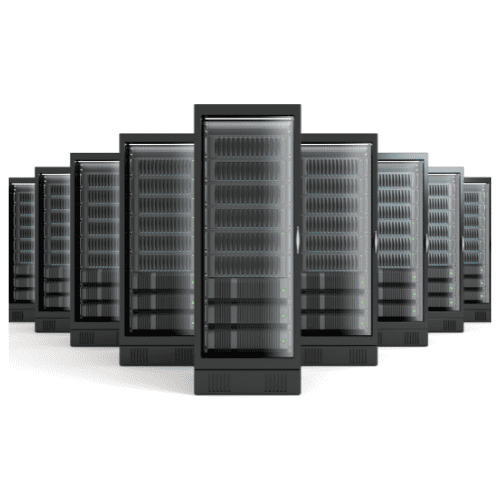
Understanding Linux Dedicated Server with cPanel
Overview of Dedicated Hosting
If you’ve ever found your website slowing down during peak traffic hours, or you’re tired of sharing resources with other users on a shared hosting plan, then dedicated hosting might be what you need. Dedicated hosting is like renting a private house instead of living in a crowded apartment complex. You don’t share space, bandwidth, or processing power with anyone else. The entire server is yours—and yours alone.
This type of hosting is perfect for websites that demand high performance, need stronger security, or require specific server configurations. Unlike shared or VPS hosting, a dedicated server gives you complete control. That means you can choose your software, set your rules, and scale your resources however you need.
Dedicated servers are especially valuable for large-scale e-commerce websites, enterprise-level business platforms, high-traffic blogs, or custom applications that require heavy computing. It’s also the best choice when uptime and speed are critical to your operations.
Dedicated hosting gives your business the power, flexibility, and performance it needs to grow without limitations.
Why Choose Linux for Dedicated Servers?
When it comes to operating systems for dedicated servers, Linux is often the top choice—and for good reason. It’s reliable, secure, and efficient. Linux is also open-source, so you don’t have to pay licensing fees, unlike other operating systems. What makes Linux shine is its stability. Linux servers are known to run for years without crashing or requiring reboots. That’s a considerable advantage when uptime matters. And if you’re running multiple websites or handling sensitive data, the built-in security features of Linux are another big plus.
Linux is also highly customizable. Whether running a CMS like WordPress, an e-commerce platform like Magento, or a custom web application, you can fine-tune Linux to meet your needs. It’s compatible with many development stacks, databases, and server tools, making it a favorite among web developers and IT professionals. If you want a server environment that’s cost-effective, rock-solid in performance, and easy to manage with the right tools, Linux is the way to go.
cPanel Features & Benefits
Now let’s talk about cPanel—the tool that makes managing your Linux dedicated server a breeze. cPanel is a user-friendly control panel that allows you to manage every aspect of your web hosting environment through a clean, graphical interface. If you’re not a tech expert, cPanel simplifies the most complex tasks. Need to set up a new email address? Install WordPress? Monitor your server’s resource usage. You can do it all with just a few clicks. cPanel also includes built-in tools for managing databases, creating backups, checking website analytics, and much more.
One of the best things about cPanel is its intuitive layout. Everything is neatly organized and easy to find, which helps reduce the learning curve—especially for beginners. For more advanced users, there’s full access to server logs, cron jobs, SSL certificate installations, and security settings. Security is another strong suit. With cPanel, you can easily set up firewall rules, monitor for malware, and configure automatic updates to protect your server. In short, cPanel turns what used to be a technical job into a straightforward process. Whether running one website or managing dozens, cPanel saves you time and reduces the chance of human error.
Who Should Use This Hosting Solution?
A Linux dedicated server with cPanel isn’t for everyone—but if you’re looking for power, control, and reliability, this could be the perfect fit. This type of hosting is ideal for businesses with high-traffic websites, web applications, or e-commerce stores that can’t afford downtime or slow performance. If your company relies heavily on your website for leads, sales, or operations, a dedicated server ensures your online presence is strong and stable.
It’s also great for developers and IT professionals who want full root access and flexibility. With Linux, you get complete control over the environment, and with cPanel, you don’t need to spend hours on basic server tasks. Even if you’re not super technical, cPanel efficiently manages your server. So, if you’re a growing business owner ready to take control of your online infrastructure without hiring a full-time sysadmin, this setup offers the best of both worlds. In short, a Linux dedicated server with cPanel is best suited for serious website owners who want performance, security, and ease of use—all wrapped into one powerful solution.
Performance and Reliability
Enterprise-Grade Hardware and Infrastructure
When running your website or application smoothly, the hardware behind your hosting plays a huge role. We understand that your online presence is only as strong as the server it runs on. We rely on enterprise-grade hardware to power our Linux dedicated servers.
What does “enterprise-grade” really mean? In simple terms, it means we don’t cut corners. We use high-performance processors, top-tier RAM, and advanced server components built for continuous operation. This kind of hardware is designed for data centers, not for desktops. It’s meant to handle large workloads, run 24/7 without breaking a sweat, and deliver consistent performance even under heavy traffic.
It is essential if your business depends on fast page loads, real-time data processing, or secure transactions. Cheap hardware might work for a while, but it can’t keep up when your traffic spikes or you’re running complex tasks. Our dedicated infrastructure is built to scale with your needs and support you every step of the way. So, when you host with us, you’re not just getting a server—you’re getting the backbone of a rock-solid digital foundation.
SSD-Powered Storage for Speed and Stability
One of the most significant improvements in hosting performance over the past decade is the move from traditional hard drives (HDDs) to solid-state drives (SSDs). We use SSD storage across all our Linux dedicated servers to ensure your website loads faster and handles data more efficiently.
SSDs don’t have moving parts like old-school hard drives, so they’re much faster and more reliable. It translates into faster boot times, quicker database access, and shorter load times for website visitors. In a world where speed can make or break user experience (and even affect your SEO rankings), SSDs give you a serious edge.
More importantly, SSDs reduce the risk of mechanical failure. That means your data is safer, and your server experiences fewer disruptions. SSD storage is a must-have for businesses that rely on uptime and data integrity—like online stores, CRM platforms, or financial apps.
Put, SSDs are the difference between a server that just works and one that works fast and reliably. We wouldn’t settle for less, and we don’t think you should either.
Network Redundancy and Load Balancing
Even the most powerful server is useless without a strong network behind it. That’s why we’ve built our infrastructure with smart network redundancy and load balancing in mind.
Network redundancy means we’ve set up multiple data routes and backup systems. If one connection fails or slows down, your traffic is instantly rerouted through another path—without you or your customers noticing. It’s like having multiple exits on a highway; traffic never gets stuck because there’s always a backup route available.
Load balancing adds another layer of stability. When your site gets many visitors, load balancers help distribute that traffic evenly across different servers or server resources. It keeps everything running smoothly and prevents any single server from being overwhelmed.
These technologies work quietly in the background, but they’re the reason your site stays fast, responsive, and online—even during traffic surges or unexpected events. We treat every client’s website as mission-critical, and our network design reflects that commitment.
99.99% Uptime Guarantee with SLA
Downtime costs money. Whether running an online store or a corporate site, you’re losing customers and credibility every minute your site is offline. That’s why we offer a 99.99% uptime guarantee backed by a clear Service Level Agreement (SLA). We know that no hosting provider can promise 100% uptime forever—but we get as close as humanly possible. Our servers are monitored 24/7, and our technical team responds instantly to any signs of trouble. We also conduct regular maintenance and performance checks to catch potential issues before they affect you.
What makes this more than just a marketing promise is our SLA. It’s our written commitment to you that we’ll keep your site online and running reliably. And if we ever fall short, we don’t hide behind excuses—we offer compensation as outlined in the agreement. This kind of guarantee isn’t just about numbers—it’s about trust. We take our role as your hosting partner seriously. When we say 99.99% uptime, we back it up with the technology, support, and accountability you deserve.
cPanel Features Overview
Simplified Domain and Website Management
Managing a website shouldn’t feel like rocket science. That’s why cPanel has become the go-to control panel for website owners and developers worldwide. We provide Linux dedicated servers with cPanel because it makes your job easier—no matter your skill level.
With cPanel, managing your domain and website is as simple as clicking a few buttons. Want to add a new domain or subdomain? You can do it in seconds. Need to redirect traffic from one page to another? That’s just another click away. Everything you need is laid out in a straightforward, intuitive interface.
You don’t need to dig through code or rely on a developer for day-to-day tasks. Whether updating DNS settings, managing parked domains or changing your website’s root folder, cPanel brings it all together in one place.
This simplicity is a game-changer, especially for small business owners or first-time website users who want control without confusion. And for developers, it’s a powerful tool that speeds up workflow and reduces setup time. Either way, cPanel helps you stay focused on what matters—growing your online presence.
Built-in email Services and Spam Protection
Your website isn’t just a place for people to visit—it’s also a communication hub. That’s why cPanel includes full-featured email management tools to create and control professional email accounts linked to your domain.
Creating email addresses like yourname@yourdomain.com takes just a few clicks. You can set mailbox quotas, forward emails to another address, or even set up auto-responders. If you’re running a business, this adds a level of professionalism and trust that generic email addresses can’t match.
But cPanel doesn’t stop at just creating email accounts. It comes with built-in spam protection tools like SpamAssassin and BoxTrapper. These tools help keep your inbox clean by automatically filtering out suspicious or junk emails before they reach you. You can also fine-tune these settings to suit your needs.
Everything is accessible through an easy-to-use interface, and there’s no need for third-party email hosting unless you want it. Secure, reliable communication should be built into your hosting experience—and with cPanel, it is.
One-Click Application Installer (Softaculous)
Want to launch a blog, online store, or learning platform without writing a single line of code? With Softaculous, the one-click app installer inside cPanel, it’s not just possible—it’s easy.
Softaculous gives you access to over 400 popular web applications, including WordPress, Joomla, Magento, PrestaShop, and more. You choose the app you want, fill out a short form (like choosing your site name and login details), and hit install. That’s it. Your website is live and ready to customize.
This tool takes the headache out of setting up a website. No downloading zip files, configuring databases manually, or troubleshooting installation errors. It’s all automated for you.
Whether you’re a beginner creating your first blog or a business owner setting up an e-commerce store, Softaculous saves you time and removes complexity. It even handles automatic updates and backups for many apps, so you can focus on running your site—not maintaining it.
Softaculous is a perfect example of how cPanel helps bridge the gap between simplicity and functionality.
File Manager, FTP, and MySQL Integration
At some point, every website owner needs to manage files, upload content, or work with a database—and cPanel makes these tasks straightforward, even if you’re not a tech expert.
The File Manager lets you upload, edit, delete, and organize files from your browser. It works just like the file explorer on your computer. You don’t need special software or commands—just point, click and manage your content. You can even zip and unzip files or change permissions without leaving the panel.
If you’re more hands-on or managing larger file transfers, cPanel also supports FTP (File Transfer Protocol). You can create and manage FTP accounts for yourself or your team, giving you complete control over who can access your site’s files.
And when it comes to databases, cPanel integrates seamlessly with MySQL, one of the most popular open-source databases used in web applications. You can create new databases, manage users, and access phpMyAdmin for advanced database editing—all from the same interface.
These tools give you flexibility and control over the backend of your website, whether you’re a beginner uploading images or a developer working with SQL queries. With cPanel, everything you need is just a few clicks away.
Security and Compliance
Advanced Firewall and Intrusion Detection
Security should never be an afterthought when it comes to hosting your website or web application. We take it seriously right from the start. That’s why all our Linux dedicated servers come equipped with advanced firewall protection and intrusion detection systems.
Think of a firewall as the gatekeeper of your server. It controls what comes in and what goes out. Our advanced firewall is always on guard, blocking suspicious traffic and preventing unauthorized access. Whether someone tries to force their way in using brute-force methods or attempts to upload malicious scripts, the firewall is your first line of defense.
But we don’t stop there. We also implement intrusion detection systems (IDS). These tools monitor your server for unusual activity like repeated failed login attempts, unauthorized file changes, or suspicious commands. When the system detects anything extraordinary, it sends real-time alerts so action can be taken immediately.
For you, this means peace of mind. You don’t need to be a security expert to know your server is being watched 24/7. We build our hosting environment to protect your data and keep your business safe from online threats so you can focus on growth and not worry.
DDoS Protection and Threat Monitoring
No business wants to deal with a Distributed Denial of Service (DDoS) attack—but unfortunately, these attacks are common and can hit anyone. They work by overwhelming your server with fake traffic, making your website slow or inaccessible. And that’s the last thing you want your customers to experience.
We provide built-in DDoS protection with every Linux dedicated server. Our systems monitor incoming traffic constantly. When a threat is detected—like a sudden surge in requests from questionable sources—our security filters step in. The bad traffic is blocked automatically before it can do any damage.
We also offer real-time threat monitoring as part of our managed services. It includes scanning for malware, blocked IPs, and unusual access patterns. These tools work behind the scenes to keep your server secure without slowing down performance.
We know that keeping your site online and available is critical. Our protection tools are here to do just that—keeping your reputation and revenue safe around the clock.
Free SSL Certificate Integration
Security isn’t just about firewalls and traffic filters—it also means protecting the data between your website and visitors. That’s where SSL certificates come in.
We include free SSL certificate integration with every hosting plan. SSL (Secure Sockets Layer) encrypts the connection between your site and your visitors, which helps prevent hackers from stealing sensitive information like login credentials, payment details, and personal data.
With SSL, your website will show the trusted HTTPS in the browser, along with a padlock icon. It builds trust with your users and improves your search engine ranking, as Google prefers secure sites.
Best of all, installing an SSL certificate with cPanel is quick and painless. You can activate it with just a few clicks—no tech expertise is needed. We also ensure that it auto-renews so your site never falls out of compliance.
SSL is no longer optional. It’s a basic but powerful way to keep your website—and your customers—safe. And with us, it comes built-in, not as a paid add-on.
Regulatory Compliance (GDPR, HIPAA)
If your website collects personal information or handles sensitive data, regulatory compliance isn’t just substantial—it’s legally required. We take this responsibility seriously. Our Linux-dedicated servers are built to help businesses meet compliance standards like GDPR and HIPAA.
Let’s break that down:
GDPR (General Data Protection Regulation) is a law that protects the privacy of individuals in the European Union. If your website collects personal data—like names, emails, or IP addresses—you need to ensure that data is stored securely and users are informed about how it’s being used.
HIPAA (Health Insurance Portability and Accountability Act) applies to healthcare providers and businesses dealing with medical information. If your application or website stores health records, you need a hosting environment that meets strict security and privacy rules.
Our servers offer tools like access controls, encrypted storage, audit logs, and backup systems to help support these requirements. While compliance is ultimately your responsibility, we provide the secure infrastructure you need as a starting point.
We don’t believe in shortcuts regarding security or compliance. Whether you’re a startup building a new app or an established business handling customer data, we’re here to help you meet your obligations confidently.
Customization and Control
Full Root Access for Developers
Full root access is a game-changer when you’re serious about performance and customization. We provide full root access to our dedicated Linux servers, giving you complete control over every aspect of your server environment.
So, what does that mean? If you’re a developer or someone managing advanced applications, root access lets you configure your server exactly how you want. Preset configurations or locked-out settings do not limit you like on shared hosting or managed plans.
Need to modify system files? Install a custom firewall? Change how your server handles processes or performance. With root access, you can do all of that and more. You’re in full command—from installing low-level software to setting up cron jobs and configuring security rules.
It’s like having the keys to your own data center. And if you know what you’re doing, it opens up a whole world of possibilities. Of course, if you’re uncomfortable with these tasks, our technical team is always here to assist or manage them.
This level of access is ideal for developers, agencies, and businesses that need flexibility, scalability, and precision control over their hosting environment.
Custom Script and Software Installation
Every business has different needs, and off-the-shelf hosting solutions often fall short. That’s why we make installing your scripts and software on our dedicated Linux servers easy.
Maybe you’re running a niche web application, a custom API, or specialized software like ERP or CRM tools. Our servers do not limit you by what’s “pre-approved.” You can install exactly what your project requires—from custom PHP frameworks and Node.js environments to third-party libraries and modules.
There’s no waiting on support tickets or approval processes. You choose the software and scripts that work best for your workflow and deploy them on your schedule. You can even fine-tune system settings to optimize performance specifically for your application.
Whether hosting a high-traffic e-commerce site, a streaming platform, or a private server for internal tools, you can build the infrastructure that fits your goals.
We also support containerized applications (like Docker) and virtual environments, giving you even more flexibility. If you’ve got a unique vision, our platform is designed to support it.
WHM for Multi-Account and Reseller Hosting
If you’re managing multiple websites or offering hosting services to clients, you need more than just a control panel—you need WebHost Manager (WHM). And that’s precisely what you get with our Linux dedicated servers.
WHM is the powerful backend of cPanel and is designed for admins and resellers. It lets you create and manage multiple cPanel accounts, each with a login and resource allocation. It means you can easily host different websites under separate accounts, keeping things organized and secure.
Are you a digital agency managing websites for clients? With WHM, you can set up individual accounts for each client, assign bandwidth and disk limits, and even brand the interface with your logo. It’s professional, efficient, and designed for growth.
You can also monitor server activity, configure server-wide settings, install security patches, and handle backups—all from one central dashboard. WHM puts you in full control while making it simple to scale your hosting services.
Whether starting a hosting business, managing client websites, or running several of your own, WHM offers the flexibility and control you need to stay organized and in command.
OS Choices: CentOS, AlmaLinux, Ubuntu
Not all operating systems are created equal—and depending on your project, the right OS can make a big difference. That’s why we let you choose from the most trusted Linux distributions: CentOS, AlmaLinux, and Ubuntu.
Each one offers something unique:
- CentOS is known for its stability and long-term support, making it a favorite among enterprise users. Although it has shifted focus in recent years, it’s still widely trusted for hosting mission-critical applications.
- AlmaLinux is a newer but highly reliable replacement for CentOS, backed by the open-source community. It’s fully binary-compatible with RHEL (Red Hat Enterprise Linux), and it’s gaining popularity fast—especially for users looking for long-term security updates.
- Ubuntu is user-friendly, developer-focused, and comes with excellent community support. It’s ideal for modern development stacks, especially if you’re working with newer technologies or want access to the latest packages and updates.
We understand that every project is different, so we allow you to choose the OS that matches your needs. Our team will guide you based on your application requirements and technical comfort level if you’re unsure which one to go with.
WHM for Multi-Account and Reseller Hosting
If you’re managing multiple websites or offering hosting services to clients, you need more than just a control panel—you need WebHost Manager (WHM). And that’s precisely what you get with our Linux dedicated servers.
WHM is the powerful backend of cPanel and is designed for admins and resellers. It lets you create and manage multiple cPanel accounts, each with a login and resource allocation. It means you can easily host different websites under separate accounts, keeping things organized and secure.
Are you a digital agency managing websites for clients? With WHM, you can set up individual accounts for each client, assign bandwidth and disk limits, and even brand the interface with your logo. It’s professional, efficient, and designed for growth.
You can also monitor server activity, configure server-wide settings, install security patches, and handle backups—all from one central dashboard. WHM puts you in full control while making it simple to scale your hosting services. Whether starting a hosting business, managing client websites, or running several of your own, WHM offers the flexibility and control you need to stay organized and in command.
Technical Support and Management
24/7 Technical Support by Linux Experts
When you choose a Linux dedicated server with us, you’re getting a powerful server and round-the-clock access to our team of Linux experts. We know that technology doesn’t take breaks, and neither do we. Whether it’s the middle of the night or during a busy holiday, our support team is ready to help.
Our Linux specialists are experienced professionals who understand the in and out of Linux servers. They can assist you with everything from troubleshooting server issues and security questions to navigating complex configurations. You don’t have to be a tech expert to reach out—explain your problem, and we’ll take care of the rest.
This level of support means you’re never alone when something unexpected happens. Whether it’s a server outage, performance hiccup, or simple configuration questions, you get fast, clear, and reliable help whenever needed. We believe good support is just as important as the hardware and software behind your server.
Managed vs. Unmanaged Service Options
One size doesn’t fit all, especially when managing servers. We offer managed and unmanaged Linux dedicated server options to suit your needs.
If you prefer to focus on your business and leave the technical details to the experts, our managed service is the right choice. We handle everything from server setup and security to software updates and backups. Think of it as having a dedicated IT team taking care of your server’s health 24/7, so you don’t have to worry about maintenance or troubleshooting.
On the other hand, if you’re comfortable with Linux administration and want complete control over your server, our unmanaged service gives you that freedom. You get full root access and the ability to customize your server as you see fit while still having access to our support team for hardware or network issues. We’ll help you decide which option is best for your skill level and business goals, ensuring you get the right balance of control and support.
Proactive Monitoring and Issue Resolution
The best way to avoid downtime and data loss is to catch problems before they affect your website or application. That’s why we uses proactive monitoring tools on all Linux dedicated servers. Our systems monitor your server’s performance metrics—CPU usage, memory consumption, disk space, and network traffic—24 hours a day. Our team is immediately alerted if anything looks unusual or reaches a critical level.
It allows us to fix potential issues before they turn into significant problems. Whether it’s a failing hard drive, a security threat, or a software glitch, we act quickly to resolve it. You get better uptime, improved reliability, and less worry about unexpected crashes. Proactive monitoring isn’t just about reacting faster; it’s about making sure your server stays healthy and runs smoothly all the time.
Free Migration Assistance
Switching to a new hosting provider can feel overwhelming—there’s always the fear of downtime, lost data, or complicated setups. That’s why We offer free migration assistance for all Linux dedicated server customers. Our experts will handle the entire process for you. We’ll safely transfer your websites, databases, emails, and other essential files from your old server to the new one.
We ensure everything works correctly before going live so your visitors and customers won’t experience any disruption. Best of all, this service is entirely free. We want to make your move smooth and worry-free so you can enjoy your new server’s benefits without any hassle. Whether you’re moving from shared hosting, another dedicated server, or a cloud provider, our migration team is here to help every step of the way.
Use Cases and Industry Applications
Best Choice for e-commerce Platforms
Running an online store is all about customer experience. If your site is slow or goes down during peak shopping hours, it can cost you sales. That’s why many successful eCommerce businesses choose Linux-dedicated servers.
With a dedicated server, your online store gets the resources it needs to perform at its best. Pages load quickly, shopping carts respond without delay, and checkout processes run smoothly. That’s crucial when customers expect speed and security.
You also get complete control over your hosting environment, which is essential for securely handling sensitive customer data and processing payments. With root access, you can fine-tune your server for platforms like Magento, WooCommerce, OpenCart, or PrestaShop.
We’ve helped many e-commerce clients migrate from slow, overloaded shared servers to dedicated ones. The result? Faster load times, better conversion rates, and happier customers.
Suitable for Agencies and Developers
If you’re a web design or development agency—or even a freelance developer—a Linux dedicated server gives you everything you need to host multiple client sites efficiently. You get flexibility, performance, and complete control over your hosting setup.
One of the most significant advantages is using WHM (Web Host Manager), which lets you create and manage separate cPanel accounts for each client. It makes your work more organized and gives your clients login access and resources.
You can also install any tools, libraries, or frameworks you need—whether you’re working with Laravel, Node.js, Django, or custom scripts. There’s no limit to how you can configure the server, which is a huge plus when you’re juggling different project requirements.
And because you’re not sharing the server with others, your client sites remain secure and stable. It’s a professional, scalable solution for any agency looking to grow its hosting offerings without relying on third-party providers.
Great for SaaS, Web Apps, and APIs
If you’re building a Software-as-a-Service (SaaS) product, a web application, or an API, you need hosting that can handle traffic, performance demands, and security—all at the same time. A Linux dedicated server gives you that reliable foundation.
When you’re running a SaaS app, uptime is critical. Every second of downtime could mean lost users or broken functionality. With our 99.99% uptime guarantee and proactive monitoring, your application stays online and accessible.
You can also customize your stack entirely—install NGINX or Apache, use Docker containers, run background jobs, and configure your database. This level of freedom isn’t possible with shared or managed platforms that lock you into their systems.
And let’s not forget security. If your app handles user data, payment info, or business processes, you’ll need strict control over access, updates, and compliance. A dedicated server gives you precisely that.
We’ve worked with startups and tech teams, launching everything from scheduling tools to analytics dashboards on dedicated servers. With the proper setup, your app will perform well, scale easily, and keep user data secure.
Ideal for High-Traffic Business Websites
If your business website sees a lot of visitors every day, a shared hosting plan just won’t cut it. You need power, speed, and reliability—precisely where a Linux dedicated server stands out.
High-traffic websites, like corporate portals, news platforms, or service-based business sites, demand a stable environment. You’re not sharing resources with anyone else when you have your dedicated server. That means consistent performance, even during traffic spikes. Your site loads faster, handles more users, and doesn’t crash when things get busy.
Clients who upgrade to dedicated servers often see improved SEO rankings and longer visitor retention because of better site speed and uptime. It’s also easier to scale when your business grows—shared hosting restrictions do not limit you.
Whether you’re running a brand site with thousands of daily visitors or hosting media-rich content like videos, podcasts, or digital downloads, a Linux dedicated server is a solid foundation that won’t let you down.
Why Choose Us for a Linux Dedicated Server With cPanel
Enterprise-Grade Infrastructure for Maximum Reliability
Regarding hosting your website or business applications, reliability isn’t just a nice-to-have—it’s a must. We understand this deeply. That’s why our Linux dedicated servers run on enterprise-grade infrastructure, designed to give you the stability and performance your business demands.
We use high-quality, server-grade hardware from trusted brands. It means faster processors, error-correcting memory, and redundant power supplies to avoid unexpected failures. Our data centers feature advanced cooling systems and strict security protocols, so your server stays up and running 24/7.
Because your server resources aren’t shared, you get consistent performance no matter how busy your site or app becomes. Plus, our network is backed by multiple high-speed connections to the internet, minimizing latency and downtime. It’s the infrastructure that supports your growth—not slowing it down.
24/7 Expert Support from Certified Linux Professionals
We get it—server management can feel intimidating, especially if you’re new to Linux. That’s why you’re not alone when you host with us. Our 24/7 support team comprises certified Linux professionals who know these servers inside and out.
Whether you need help setting up cPanel, configuring security settings, or troubleshooting a tricky issue, we’re just a call or chat away. Our team responds quickly and communicates clearly, making complex problems simple to understand.
You don’t have to be a tech expert to host with us. We’re here to guide you every step of the way, giving you peace of mind and letting you focus on what matters most—your business.
Competitive Pricing with Transparent Billing
Hosting can be a significant investment, so we offer competitive pricing without surprises. You see what you get—no hidden fees or confusing contracts.
Our pricing plans are straightforward and designed to fit different budgets and needs. Whether you’re just starting or managing a growing enterprise, we provide scalable options that grow with you.
We also include essential features like free migration assistance and SSL certificates at no extra cost. That means more value for your money. We want you to feel confident that your investment is working hard for you, delivering top performance and reliable support.
Performance-Optimized for Real Business Workloads
Your business isn’t static, and your hosting shouldn’t be either. Our Linux dedicated servers are optimized to handle real business workloads—from busy websites and e-commerce stores to SaaS apps and client projects.
We tune our servers for speed, security, and reliability. With SSD storage, fast processors, and plenty of RAM, you get the resources you need to deliver a smooth user experience. We also manage server-level optimizations so your applications run efficiently without lag or interruptions.
By choosing us, you get a hosting partner that understands business needs and technology, helping you stay competitive and responsive to your customers.
Choosing us for your Linux dedicated server with cPanel means you get top-tier hardware, expert support, transparent pricing, and performance tailored to your business. Let’s grow your online presence together—reach out today to get started.
24/7 Expert Support from Certified Linux Professionals
We get it—server management can feel intimidating, especially if you’re new to Linux. That’s why you’re not alone when you host with us. Our 24/7 support team comprises certified Linux professionals who know these servers inside and out.
Whether you need help setting up cPanel, configuring security settings, or troubleshooting a tricky issue, we’re just a call or chat away. Our team responds quickly and communicates clearly, making complex problems simple to understand.
You don’t have to be a tech expert to host with us. We’re here to guide you every step of the way, giving you peace of mind and letting you focus on what matters most—your business.
Performance-Optimized for Real Business Workloads
Your business isn’t static, and your hosting shouldn’t be either. Our Linux dedicated servers are optimized to handle real business workloads—from busy websites and e-commerce stores to SaaS apps and client projects.
We tune our servers for speed, security, and reliability. With SSD storage, fast processors, and plenty of RAM, you get the resources you need to deliver a smooth user experience. We also manage server-level optimizations so your applications run efficiently without lag or interruptions.
By choosing us, you get a hosting partner that understands business needs and technology, helping you stay competitive and responsive to your customers.
Choosing us for your Linux dedicated server with cPanel means you get top-tier hardware, expert support, transparent pricing, and performance tailored to your business. Let’s grow your online presence together—reach out today to get started.
Advanced Server Features
RAID Storage Configurations for Data Redundancy
Data loss is a nightmare nobody wants to deal with. We offer RAID (Redundant Array of Independent Disks) configurations on all our Linux dedicated servers. RAID works by storing your data across multiple hard drives. So, if one drive fails, your data is still safe and accessible from another. This setup dramatically reduces the risk of losing important files due to hardware failure.
Depending on your business needs, we can set up RAID 1 (mirroring), RAID 5 (striping with parity), or RAID 10 (a mix of both). Whether you’re hosting a simple website or a complex database, RAID gives you that extra layer of protection your data deserves. We help you choose the correct RAID configuration and set it up so you don’t have to worry about the technical details. You get speed, performance, and—most importantly—redundancy.
Live Kernel Updates with KernelCare
One of server management’s most overlooked but critical aspects is keeping your Linux kernel current. Usually, updating the kernel means restarting the server, which causes downtime. However, with KernelCare, we can apply kernel updates without rebooting the server.
It is a game-changer, especially for businesses that rely on uptime. With KernelCare installed on your Linux dedicated server, your system stays secure with the latest patches—without interrupting your website or applications. You won’t lose visitors or transactions just because of a security update.
We include KernelCare with our managed hosting plans to help you stay protected and online at all times. It’s peace of mind, knowing your server is always up-to-date and available—even while it’s being patched in the background.
IPMI/KVM Access and Remote Reboot Control
Sometimes, things happen that require hands-on server control—even when you’re not physically near the server. That’s where IPMI (Intelligent Platform Management Interface) and KVM (Keyboard, Video, Mouse) access come into play.
With IPMI and KVM, you can control your server as if sitting right before it—even during a crash or OS failure. You can reboot, install an operating system, or troubleshoot issues directly, all from a remote location.
We provide this level of access to all our Linux dedicated server clients because we know how crucial it is for developers and IT professionals to have complete control. You won’t need someone else to push the power button—you’re in charge anytime, anywhere.
Custom Firewall Rules and Port Management
Security starts with control—that’s precisely what you get with custom firewall rules and port management on your Linux dedicated server. You decide which ports are open and which are blocked, keeping unwanted traffic out and only letting in what you need. Whether running a specific app, SSH, or a web server, you can tailor your firewall to fit your requirements. We help you set up and manage these rules based on your application’s needs. We ensure your server is secure without blocking access to legitimate users or services. It’s about giving you security that fits your unique environment—without unnecessary complexity.

Getting Started with Linux Dedicated server
Quick Setup and Instant Server Provisioning
Getting your own Linux dedicated server with cPanel might sound complicated—but We’ve made the process fast, simple, and worry-free. Once you place your order, we start provisioning your server instantly. You’ll usually have access to your server within just a few hours.
We take care of the technical setup, from installing the operating system of your choice to configuring cPanel and essential security features. You won’t need to spend hours figuring out how to get started—we do the heavy lifting so you can jump straight into running your website or application. If you’re migrating from another host, we can move your site for free with zero downtime. Whether you’re switching providers or launching something brand new, we make the transition smooth, fast, and stress-free.
Start a Free Consultation or Request a Quote
Not sure which server plan is right for your needs? That’s completely normal. Every business is different; what works for one might not be the best fit for another. That’s why we offer a free consultation with one of our hosting experts.
During the call, we’ll listen to your requirements, understand your goals, and suggest the best server setup for your use case. There’s no obligation—it’s just a conversation to help you make an informed decision. You can also request a customized quote based on the features, resources, and add-ons you need. We believe in transparent pricing and honest advice, not upselling or pushing you into something that doesn’t suit you.
Explore Add-ons and Upgrade Options
Your hosting needs might grow, and we’re ready when that happens. Our dedicated servers have many add-ons and upgrade options, so you never have to worry about outgrowing your plan. Need more RAM or storage? Want to add backup solutions, advanced firewalls, or extra IP addresses? It’s all available. You can upgrade anytime without downtime, giving your site or app the flexibility it needs as it scales.
Our team is always here to guide you on what upgrades make sense and when to consider them no guesswork just clear, expert advice. We’re more than just a hosting provider—your partner in building a reliable, scalable, and secure online presence. Ready to get started? Let’s have that free consultation or spin up your server today.
Power Your Website with Full Control
Experience unmatched performance and total control with our Linux Dedicated Servers – now with easy-to-use cPanel included.
Start Hosting Smarter – Get Started Today!
Frequently Asked Questions About Linux Dedicated Server With CPanel
What is a Linux Dedicated Server with cPanel?
Why should I choose a Linux Dedicated Server with cPanel?
What is the difference between a Linux and Windows Dedicated Server?
How easy is it to manage a Linux Dedicated Server with cPanel?
What are the main benefits of using cPanel on a Linux server?
What kind of websites benefit from using a Linux Dedicated Server with cPanel?
What is the cost of a Linux Dedicated Server with cPanel?
How secure is a Linux Dedicated Server with cPanel?
Can I host multiple websites on a Linux Dedicated Server with cPanel?
Is it necessary to have technical expertise to use a Linux Dedicated Server with cPanel?
What is the difference between shared hosting and a Linux Dedicated Server with cPanel?
Do I need to install cPanel separately on a dedicated Linux server?
How do I monitor my server’s performance?
What is the difference between managed and unmanaged Linux Dedicated Servers with cPanel?
Can I upgrade my Linux Dedicated Server with cPanel in the future?
How do I install software on a Linux Dedicated Server with cPanel?
How do I access my Linux Dedicated Server with cPanel?
Is a Linux Dedicated Server with cPanel suitable for beginners?
Yes, a Linux Dedicated Server with cPanel is quite suitable for beginners, thanks to the simplicity of cPanel’s graphical interface. While some basic understanding of web hosting is helpful, cPanel makes it easier for newcomers to perform everyday server management tasks without requiring advanced technical knowledge. If you need more hands-on assistance, many hosting providers offer managed services to help with server administration.